Reliable Commercial Sanitation
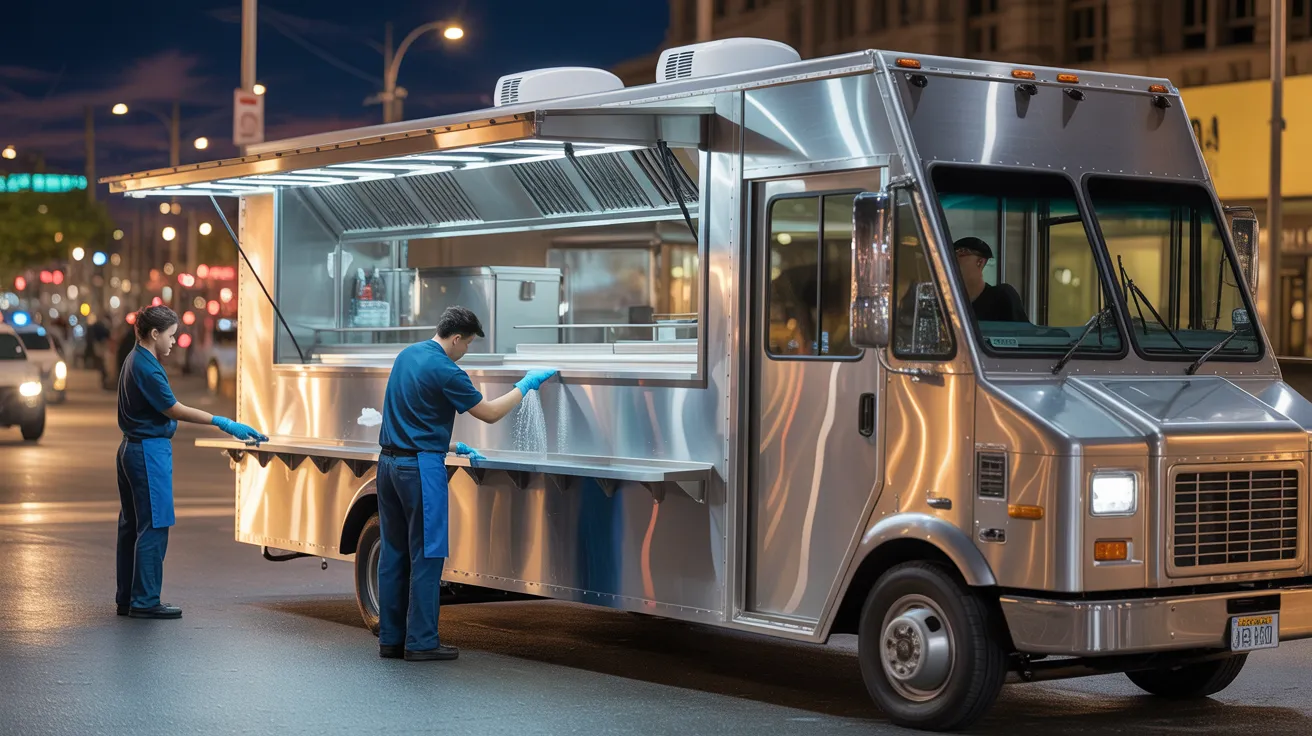
Commercial hygiene experts located in Brampton ensure food service establishments, food distribution facilities, bakeries, warehouses, and food service vehicles in compliance. They treat high-touch surfaces, food prep surfaces, equipment, floors, drains, restrooms, and preparation zones using approved sanitizers, at proper strength, and using documented contact periods.
Main Points
- Food safety cleaning experts in Brampton work with restaurants, grocery departments, commissaries, warehouses, bakeries, schools, mobile vendors, and allergen-sensitive operations.
- They sanitize frequently contacted areas, food-contact equipment, kitchens, floors, drains, restrooms, and storage areas using sectional methods to avoid cross-contamination.
- Checking of approved sanitizer dilution, suitability, and contact time is conducted by qualified specialists, with conclusion recorded using swabs, assessments, and corrective-action records.
- Routine, recurring, and cyclical activities distributed by section make up maintenance plans built on danger, production rate, transitions, releases, and regulations.
- Contractors should possess HACCP, health regulatory expertise, WHMIS preparation, liability, endorsements, color-categorized instruments, and inspection-ready sanitation records.
What Brampton Establishments Require Food Safety Cleaning?
Brampton operations that deal with, maintain, prepare, package, or provide food require food safety cleaning. Implement it if your establishment is covered by public health inspections, food codes, or HACCP requirements. The rule covers dining establishments, employee cafes, food distributors, market sections, meat shops, fish counters, local shops, and commercial kitchens.
Adherent sanitation standards is needed in storage facilities, production centers, refrigerated warehouses, bakeries, school nutrition services, event spaces, and delivery hubs. Temporary mobile establishments are included, such as mobile kitchens, market vendors, and seasonal booths. Your venue needs established hygiene documentation should your employees process ingredients, portion ready-to-eat items, reheat products, or store allergens. In Brampton, sanitation remains not elective; it constitutes legal, operational, and consumer protection compliance.
What Do Brampton Cleaning Experts Clean?
Professional cleaning teams specializing in Brampton sanitize touched surfaces, kitchen facilities, ground surfaces, and restrooms in compliance with food safety regulations. Focus on these locations occurs because they pose maximum contamination danger, potential for accidents, and possible regulatory violations.
Knowing their service areas allows you to confirm your operation's sanitation satisfies operational demands and regulatory compliance.
Focusing on High-Touch Surface Cleaning
Controlling high-touch surface cleaning is critical for Brampton janitorial teams because these surfaces can spread pathogens and contaminants across a location. You should establish a formal plan for disinfecting entry points, contact surfaces, control panels, railings, shared devices, registers, and cold storage handles. Using surface identification mapping, begin here professionals determine every frequently handled area and set cleaning schedule
product guidelines and health codes is important. to ensure proper function. Staff can employ surface swabbing to validate disinfection results
Cooking Zones, Walking Surfaces, and Restroom Environments
Brampton cleaning services zero in on kitchens, floors, and restrooms as each zone presents distinct food safety, slip-and-fall, and wellness risks. In industrial kitchens, you need grease removal from cooking stations, appliance surfaces, drain systems, preparation areas, and backsplashes to minimize bacterial growth and pest activity.
Floor care that is recorded should also be anticipated. Technicians scrub and extract buildup from tile grout, ceramic surfaces, and vinyl floors, then apply appropriate drying controls so you can reduce slip incidents and meet regulatory standards. They also handle entryways where moisture and debris migrate indoors.
In restrooms, cleaners treat contact surfaces, bathroom hardware, partition walls, accessory dispensers, and receptacles then refill supplies and eliminate odor. They also maintain restaurant cleaning supply rooms where product storage, sink cleanliness, and drain systems impact daily sanitation standards and worker protection.
Food Safety Cleaning Significance for Brampton Businesses
In Brampton, you must maintain food-safe cleaning standards to satisfy regulatory standards and achieve compliance. You also reduce bacterial spread through proper cleaning of food-preparation surfaces, appliances, and frequently-touched items. Most importantly, you help protect public health by lowering the risk of foodborne illness in your facility.
Food Safety Regulations
Because Brampton food establishments operate under strict public health standards, food safety cleaning directly impacts your competence to adhere to health code requirements, safeguard customers, and sidestep enforcement action. You must maintain sanitized food contact points, recorded sanitation plans, safe chemical management, and documented employee protocols that align with municipal and provincial inspection expectations.
Maintaining strong cleaning records proves due diligence for compliance reviews and shows that your methods are standardized, consistent, and monitored.
Contamination Prevention
Following health code standards depends on your ability to prevent cross-contamination in daily food handling and cleaning. You should isolate raw items from prepared foods, disinfect work areas after use, and maintain separation of cleaning products from food. Clear procedures reduce transfer risks and promote steady regulatory adherence.
You should establish allergen separation to prevent major allergens from touching shared surfaces, containers, or equipment. Use dedicated cutting boards, color-coded tools, and strict utensil labeling so staff don't mix items during preparation or service. Require handwashing after handling raw meat, seafood, eggs, or allergen-containing products. Replace wiping cloths regularly, and check disinfectant potency using test kits. When staff members receive training on these procedures every shift, you create a cleaner, safer operation that meets Brampton's food safety expectations consistently.
Public Health Protection
Should cleaning standards collapse, you don't simply risk a failed inspection—you expand the odds of foodborne illness impacting customers, staff, and the wider Brampton community. You also weaken your role in protecting public health, especially in busy food facilities where contamination can spread quickly through surfaces, equipment, and touchpoints.
You need cleaning protocols that remove soils, disinfect properly, and confirm effectiveness. That requires adhering to exposure periods, using approved disinfectants, documenting schedules, and training staff to meet health-unit expectations. These controls support pathogen reduction by reducing pathogens before they reach food or hands. In Brampton, strong sanitation protects vulnerable populations, prevents disease spread, and helps you demonstrate due diligence. When you maintain proper standards, you exceed basic requirements—you actively reduce risk and support safer food service throughout the region.
Why Is Cleaning Essential for Food Safety Compliance?
Maintaining strict sanitation practices ensures food safety compliance by minimizing contamination hazards, controlling pathogen growth, and keeping your facility in accordance with sanitation requirements under HACCP-based programs and public health regulations. You confirm that food-contact surfaces remain visibly clean and microbiologically controlled, supporting documented preventive controls and inspection readiness.
Systematic cleaning further enhances allergen mitigation by extracting residues that can lead to undeclared allergen exposure. When you integrate validated sanitation procedures with safety training, your staff can execute standardized methods, apply approved chemicals accurately, update records properly, and manage deviations ahead of issues intensify. Consistent cleaning supports traceability, confirms corrective steps, and shows commitment throughout audits. Moreover, it supports you protect product integrity, maintain compliance standards, and decrease the chances of compliance actions, mass recalls, grievances, and unnecessary health dangers.
What's the Best Time to Schedule Commercial Cleaning?
Step up cleaning rate during high-volume production, equipment changeovers, spillage occurrences, and following maintenance work.
daily routines
Selecting the Right Brampton Cleaning Experts: Key Considerations
Start by screening providers against food-safe sanitation requirements, not price alone. You should verify that each company understands CFIA, public health, and HACCP-aligned expectations relevant to your facility. Ask for insurance documentation, WHMIS compliance, documented staff training, and supervision practices. Review whether technicians understand cross-contamination risks, chemical handling, and traceable sanitation records.
You should further examine service consistency and answerability. Request testimonials from Brampton food businesses, then review response times, corrective-action procedures, and communication standards. Validate the company supports supplier audits and can present inspection-ready documentation to authorities or third parties. Confirm equipment is maintained, colour-coded tools are applied correctly, and facility-specific risks are identified. A experienced service ensures regulatory compliance, product integrity, and your reputation in the market.
What aspects should a Food Safety Cleaning Plan include?
Write out a plan that defines every sanitation task, standard, and responsibility before production begins. You should record cleaning schedules, approved products, ratios, contact periods, tools, and validation approaches for each zone, surface, and piece of equipment. Remember to add pre-operational inspections, corrective actions, and employee training requirements.
Your plan should also address contamination prevention controls, waste handling procedures, pest management measures, and written schedules for rest areas, drains, flooring, and food-contact surfaces. Describe how you'll keep raw and ready-to-eat processes separate, support ingredient tracking, and ensure accurate allergen labeling through validated cleaning between product changes. You should set accountability, keep signed records, and review results against regulatory standards, HACCP controls, and customer requirements. When gaps appear, modify procedures immediately and retrain staff.
Popular Inquired Inquiries
Do sanitation providers work during nighttime hours at Brampton facilities?
Yes, you can book cleaning services to manage overnight shifts in Brampton facilities. You'll organize overnight sanitation around production schedules, security measures, and personnel needs. Providers typically establish overnight logistics to minimize interruption, maintain standards, and document completed tasks. You should confirm arrival timeframes, supervision, access protocols, and waste handling before beginning service. If you operate controlled environments, you'll also want cleaning records that enable audits and compliance verification.
Can Brampton cleaning experts manage hazardous incidents?
Yes, you can locate several Brampton cleaning professionals offering emergency response options. They handle contamination, evaluate risks, contain affected areas, and perform swift decontamination to minimize risk and prevent disruption. You should verify response times, certifications, protocols, and procedures. If your facility must meet standards, choose a service that logs events, maintains standards, and supports audits.
Will green disinfectants clean safely food-contact surfaces?
Absolutely, plant-based sanitizers prove to be safe for food preparation areas when you choose disinfectants approved for food contact and meeting regulatory standards. You must check contact times, mixing proportions, and rinse requirements ahead of deployment. Botanical formulations minimize toxic chemical contact, though you require demonstration of efficacy against specific pathogens. For ensuring residue-free conditions, adhere to precise manufacturer instructions and confirm your cleaning agent satisfies food sanitation requirements.
Do maintenance plans permit seasonal production changes?
Yes, you can adjust sanitation programs for production fluctuations. You should adjust schedules, staff levels, disinfectants, and confirmation procedures to fit operational cycles while upholding regulatory compliance. You'll minimize production downtime by planning sanitization around changeovers, high demand periods, and operational patterns. You should additionally update procedural documents, staff education, and monitoring protocols to reflect periodic risks, novel allergens, or higher contamination levels. Ongoing evaluations preserve your strategy efficient.
Are commercial cleaners providing staff training on sanitation best practices?
Yes, commercial cleaners often train your team on sanitation best practices. You receive staff training on correct chemical application, exposure periods, cross-contamination prevention, equipment disassembly, and documentation. They generally follow training with HACCP, GMP, and CFIA or regional health department requirements. Many perform sanitation audits to verify compliance, spot deficiencies, and reinforce corrective actions. This helps you sustain uniform processes, pass inspections, and minimize contamination hazards daily.
Closing Remarks
By collaborating with Brampton food safety and commercial cleaning professionals, you aren't simply tidying—you keep your operation inspection-ready and your standards up to code. From kitchens to processing floors, every clean surface and organized space decreases contamination and avoids expensive losses. By scheduling cleanings on the right schedule and following a documented cleaning plan, you secure staff members, customers, and your credibility. In a heavily controlled environment, hygienic conditions must be prioritized—they're key to business compliance.